The post The importance of data analysis in Conversion Rate Optimisation (CRO). appeared first on Yellow Pages.
]]>Put simply, CRO is the practice of boosting the percentage of users who took the desired action on your website. This could be making a purchase, filling out a form or clicking on a link.
It’s also important to note that CRO is more than just increasing conversions. It’s also about understanding user behaviour on your site. By learning what drives, attracts and persuades your users, you can give them the best user experience possible, in turn leading to better conversion rates and improved website performance.
CRO, however, is ineffective at best without access to good data. Data is the key to making the right decisions when it comes to optimising your website for conversion.
For instance, if your data shows that a high percentage of visitors are abandoning their carts during the checkout process, this would suggest that there is a problem with the process itself. So, let’s dive in and find out how to use data analysis to make the most of your small business digital marketing.
RELATED: Mastering small business analytics: Strategies for growth.
What is the role of data analysis in CRO?
In short, CRO data analysis is about identifying weaknesses and opportunities when it comes to users on your website. With the help of tools like Google Analytics you can track necessary metrics and get valuable insights into user behaviour that help you establish goals and concentrate your efforts in the right places.
RELATED: Setup Google Analytics via Google Tag Manager.
Data types to collect and analyse.
While there are many types of data analysis that can help improve your website, the following three tend to provide the most actionable insights when it comes to CRO:
Quantitative data analysis.
- Purpose: Quantitative analysis involves the use of numerical data and statistics to identify patterns and trends related to user behaviour and conversion rates
- Data sources: This analysis relies heavily on data from tools like Google Analytics, heatmaps, A/B testing platforms and other web analytics tools
- Methods: Statistical analysis, conversion rate calculations, segmentation, funnel analysis, and data visualisation
- Use cases: Quantitative analysis helps identify areas of your website or app that need improvement by highlighting where users drop off or where conversion rates are low. It also provides insights into which A/B test variations perform better.
Qualitative data analysis.
- Purpose: Qualitative analysis involves the examination of non-numerical data, such as user feedback, comments, surveys and usability testing results, to understand user perceptions and motivations
- Data sources: User surveys, customer interviews, user testing sessions, on-page surveys and social media sentiment analysis
- Methods: Content analysis, sentiment analysis, thematic coding, and usability testing.
- Use cases: Qualitative analysis helps you uncover the ‘why’ behind user behaviour. It provides insights into user pain points, preferences and perceptions, which can inform design and content improvements.
User Experience (UX) Analysis.
- Purpose: UX analysis focuses on evaluating the overall user experience of your website or app, looking at design, navigation, usability and accessibility
- Data sources: Usability testing, user feedback, heatmaps, session recordings and user journey mapping
- Methods: Usability testing, user surveys, and accessibility audits
- Use cases: UX analysis helps identify user experience issues that may be hindering conversions. It ensures that your site is user-friendly, easy to navigate and optimised for various devices and accessibility needs.
Going deeper: micro-conversions, segmentation and a real-world fix.
When it comes to improving your website’s performance, focusing only on the final conversion (like a purchase or booking) doesn’t give you the full picture. Users go through many small steps before converting, and understanding these micro-conversions is just as important.
What are micro-conversions?
Micro-conversions are small, trackable actions that users take on their journey to the end goal. These might include:
- Clicking on a product or CTA
- Watching a video
- Adding items to cart
- Starting (but not finishing) a form
- Scrolling to the bottom of a page
- Visiting multiple product pages in one session.
Each of these gives clues about where users are dropping off, what’s holding them back, and what’s working.
For example, if thousands of users add items to cart but very few complete the checkout, your final conversion rate might look poor — but micro-conversion data shows that the problem is isolated to the checkout stage, not the product pages or CTA buttons.
Example: Fixing a broken checkout.
Let’s say you run an online gift store. You’ve got decent traffic, people are clicking on products and lots of users are adding items to their cart. But sales? Barely trickling through.
You dive into Google Analytics and notice something odd in your funnel report: a huge drop-off right after users click ‘Proceed to Checkout.’ Around 70% of users who hit that button never make it to the payment step.
Curious, you segment the data further and see:
- Mobile users have a significantly lower conversion rate than desktop users
- Most exits happen on the checkout shipping page.
Now you know where to look.
After reviewing the page, the issue becomes obvious: the shipping options are buried beneath a wall of mandatory form fields, and there’s no progress indicator to show how many steps are left. On mobile, it’s even worse — the page loads slowly and the form is hard to navigate.
Here’s what you change:
- Streamline the form so only essential info is collected upfront
- Add a progress bar so users know what to expect
- Move the shipping options to the top, with clearer delivery time-frames
- Optimise the mobile layout for faster load and easier tapping.
The outcome?
- Cart abandonment drops by 30%
- Mobile conversion rate increases by 45%
- Overall revenue lifts without increasing your traffic or ad budget.
By using analytics to spot the leak and applying simple UX fixes, the store turns passive browsers into confident buyers, proving that small changes, when informed by data, can deliver big wins.
Why segmentation and targeting matter.
A mistake many small businesses make is treating all users the same. In reality, not all visitors behave alike.
Segmentation allows you to break down your audience by:
- Traffic source (e.g. social, organic search, referral)
- Device (mobile, desktop, tablet)
- Location or time of day
- User type (new vs returning customers)
- Behaviour (engaged vs bounce).
This kind of segmentation can uncover insights like:
- Mobile users bounce because your layout is clunky
- First-time visitors don’t trust your brand yet, while repeat visitors are ready to buy
- Users from social media expect faster loading times and don’t stick around if the site lags.
By combining segmentation with data analysis, you can tailor your fixes to the users that matter most, instead of wasting effort on assumptions.
Final thoughts.
CRO is a powerful method for increasing the number of desired outcomes from your website traffic. Its success, however, relies heavily on collecting data and using those insights to make the right decisions.
By using data analysis to continuously enhance website performance, businesses can increase their conversion rates, resulting in the achievement of their online goals and a better return on investment (ROI).
The post The importance of data analysis in Conversion Rate Optimisation (CRO). appeared first on Yellow Pages.
]]>The post 6 UX best practices every business owner should use. appeared first on Yellow Pages.
]]>In this guide, we explore six essential design practices and UX design principles that every business owner should adopt to create a truly good user experience.

Understanding UX design.
User experience (UX) design is all about crafting products that offer the best possible experience for users. At its core, UX design focuses on creating more meaningful and engaging interactions with products, services or interactive systems.
This involves a deep dive into understanding users’ needs, goals and pain points. When done right, good UX design can significantly boost user engagement, enhance brand loyalty, and drive conversions. Laws of UX is a great way to visualise the many strategies in which UX can be utilised.
UX design is a multi-disciplinary field that draws from various areas of knowledge, including human psychology, interaction design and user research techniques. It requires a thorough understanding of users’ behaviors and motivations.
UX designers employ a range of methods such as user research, usability testing and gathering user feedback to ensure that the products they create meet real user needs. By focusing on these aspects, UX designers can craft experiences that not only satisfy users but also contribute to the overall success of a business.
RELATED: How website design and functionality has changed over the last 5 years.
1. Let data and user research drive your design.
Effective UX design starts with understanding your audience. Research your users’ behavior, preferences and pain points.
Existing knowledge plays a crucial role in UX design, as familiarity through consistency in design leads to improved usability and learnability. Use tools like surveys, user testing and analytics to identify barriers in your buyer’s journey—whether it’s a confusing navigation menu or an overly complex checkout process. Incorporating user research and usability testing into your design process ensures that real users’ needs are met, driving an iterative process that enhances the overall user experience.
2. Optimise page speed for better UX.
Today, page speed is more important than ever. Google has long valued fast-loading pages, but with increased mobile usage and evolving user expectations, it’s now a top-ranking factor as fast-loading pages are crucial for enhancing UX in mobile apps.
Slow loading times frustrate users and lead to higher bounce rates. Prioritize optimising images, leveraging browser caching and reducing server response times to ensure your site loads quickly on both desktop and mobile devices. A responsive user interface that features optimised visual elements and a clear visual hierarchy not only improves usability but also gives mobile users—such as iPhone users—a competitive advantage.
RELATED: How to increase website speed with these 7 tips.
3. Prioritising simplicity over complexity in visual design.
Creativity is key, but not at the expense of usability. Visual design principles, such as visual hierarchy – the principle of guiding the eye through design elements in order of importance – play a crucial role in creating intuitive interactions by highlighting key elements and enhancing usability.
While innovative design can capture attention, it must never hinder functionality. Ensure your design practices are user-focused: maintain clarity, avoid unnecessary elements and keep the interface intuitive. UX design focuses on creating intuitive interactions by eliminating confusion and employing clear visual hierarchy, which guides users through the entire user journey seamlessly.
RELATED: 8 signs you need to invest in a new website.
4. Streamline user flows.
Every extra step in a process is an opportunity for users to drop off. Evaluate your website or app and look for ways to minimise steps—especially during critical actions like signing up or making a purchase. A streamlined user flow reduces friction and leads to higher conversion rates.
Mapping out a detailed customer journey map and considering all touch-points helps design teams streamline the UX design process, ensuring that predefined components in your user interface (UI) design work together cohesively.
5. Eliminate dead ends with usability testing.
Your website should guide users effortlessly from one section to another. Ensure every page includes clear navigation options: a prominent menu, back links and calls to action. By preventing dead ends, you maintain a cohesive experience that keeps visitors engaged and encourages them to explore further.
Incorporating elements like a clear search bar and consistent CTAs provides users with ongoing feedback and minimises usability issues, reinforcing key UX design principles.
6. Maintain consistency across your site.
Consistency is one of the core UX design principles. Use a uniform color palette, typography and layout across your website to build a strong brand identity. Consistent design not only improves aesthetics but also makes navigation predictable—enhancing overall usability and fostering trust among your users.
Design teams should focus on design consistency and adhere to accessibility standards across all pages to eliminate confusion and improve the customer experience.
The UX design process.
The UX design process is an iterative journey of problem-solving that revolves around understanding and addressing user needs. This user-centered design process typically unfolds in several key stages:
- Research: This initial phase involves conducting user research to gain insights into users’ needs, goals, and behaviors. Techniques like surveys, interviews and usability tests are commonly used to gather valuable data.
- Analysis: Once the research data is collected, it’s analysed to identify patterns, trends and actionable insights. This helps in understanding the core issues and opportunities for improvement.
- Design: Based on the research findings, design concepts and prototypes are created. This stage focuses on developing solutions that address the identified problems and enhance the user experience.
- Testing: Usability testing and user feedback are crucial in this phase. By testing the design concepts with real users, designers can validate their ideas and identify areas for refinement.
- Iteration: The design is continuously refined based on feedback and testing results. This iterative process ensures that the final product is well-aligned with user needs and expectations.
Throughout the UX design process, it’s essential to maintain a clear visual hierarchy and adhere to design principles such as consistency, hierarchy and user control. Ensuring accessibility and usability is also paramount.
By following this structured approach, businesses can create intuitive, easy-to-use user interfaces that provide a positive user experience, ultimately leading to higher user satisfaction and business success.
Final thoughts.
Adopting these UX best practices can transform your website into a powerful tool for customer engagement and conversion. By focusing on data-driven design, fast page speed, simplicity, streamlined user flows, clear navigation and design consistency, you’re setting your business up for success.
The post 6 UX best practices every business owner should use. appeared first on Yellow Pages.
]]>The post How to increase website speed with these 7 tips. appeared first on Yellow Pages.
]]>A jump in page load time from one second to three seconds increases bounce rates by 32%. At five seconds, the chance of a user leaving rises to 90%. And with Google’s Core Web Vitals now affecting search rankings, a slow site can cost you visibility and customers.
Here are seven quick and effective fixes to boost your website speed and keep visitors engaged.
1. Understanding website speed optimisation.
What is page speed and why is it important?
Page speed refers to the time it takes for a web page to load when a user visits a website. It’s a crucial aspect of website performance and user experience. A slow-loading web page can lead to high bounce rates, decreased engagement and negatively impact search engine rankings. On the flip side, a fast-loading web page can enhance user experience, increase conversions and boost search engine rankings.
Page speed is important because it directly affects how users interact with a website. A slow-loading site can frustrate users, leading to a negative experience and potentially causing them to abandon the site. In contrast, a fast-loading site can provide a seamless and engaging experience, encouraging users to stay and explore further.
Core Web Vitals: what you need to know.
Core Web Vitals are a set of metrics that measure the performance and user experience of a website. They include:
- Largest Contentful Paint (LCP): measures the time it takes for the main content of a page to load
- First Input Delay (FID): measures the time it takes for a page to respond to a user’s first interaction
- Cumulative Layout Shift (CLS): measures the stability of a page’s layout as it loads.
Core Web Vitals are essential because they provide a comprehensive understanding of a website’s performance and user experience. By optimising for Core Web Vitals, website owners can improve the overall performance and user experience of their site, leading to increased engagement, conversions and search engine rankings.
Run a website speed test for Core Web Vitals.
Before making changes, you need to diagnose the problem.
Use free tools like:
- Google PageSpeed Insights – analyses site speed for desktop & mobile, plus gives improvement suggestions
- GTmetrix – provides detailed insights on load time, Core Web Vitals and performance bottlenecks
- Google Search Console’s Core Web Vitals report – tracks real user experience data.
✅ Pro tip: aim for a First Contentful Paint (FCP) under 1.8 seconds and a Largest Contentful Paint (LCP) under 2.5 seconds to keep users engaged.
RELATED: How to optimise your website and Google Business Profile for local SEO.
2. Compress and optimise images.
Large image files slow down page loading, especially on mobile.
Best image practices:
✔ Use next-gen formats like WebP (instead of PNG/JPG) for smaller, high-quality images
✔ Keep image sizes under 200KB for optimal speed
✔ Set dimensions properly – full-screen images: 1500px–2500px wide; other images: max 800px wide
✔ Enable lazy loading so images load only when needed.
✅ Pro tip: use free tools like TinyPNG or Squoosh to compress images without losing quality.
3. Enable browser caching.
Caching stores a static version of your website so visitors don’t have to reload everything from scratch.
Types of caching to enable:
✔ Browser caching – stores assets like images and stylesheets on a visitor’s device
✔ Server caching – speeds up repeat visits by reducing processing time
✔ Plugin-based caching – tools like WP Rocket or W3 Total Cache automate the process.
✅ Pro tip: check if your hosting provider offers built-in caching (many do).
4. Upgrade your web hosting.
A slow host = poor site performance.
If your site experiences lag or downtime, it might be time to switch to a faster hosting plan.
Hosting options:
✔ Shared hosting – affordable but slower (avoid for high-traffic sites)
✔ VPS hosting – a balance of speed & cost
✔ Dedicated hosting – best performance, ideal for eCommerce or high-traffic businesses.
✅ Pro tip: choose a host with SSD storage, built-in caching and a CDN for top performance.
Improve server response time.
Server response time refers to the time it takes for a server to respond to a user’s request. Improving server response time is crucial for website performance and user experience.
Here are some ways to enhance server response time:
- Upgrade to a faster hosting plan: consider upgrading to a plan that can handle increased traffic and provide quicker server response times
- Optimise server configuration: fine-tune your server configuration to reduce the time it takes for the server to respond to requests
- Use a content delivery network (CDN): a CDN can help reduce server response time by caching content and reducing the distance between users and the server.
5. Minimise and optimise website code.
Messy or excessive code, including numerous CSS and JavaScript files, slows down load times.
Easy fixes:
✔ Minify CSS, JavaScript, and HTML – free tools like Autoptimize can do this automatically
✔ Reduce unused JavaScript – prevents slow rendering
✔ Eliminate bloated page builders that add unnecessary code.
✅ Pro tip: check your time to first byte (TTFB) in a speed test—if it’s slow, your server may be the issue.
Optimise JavaScript loading.
JavaScript files can significantly impact page load speed. Here are some ways to optimise JavaScript loading:
- Minify and compress JavaScript files: reduces their size and improves page load speed
- Use asynchronous loading: allows JavaScript files to load in the background, reducing the impact on page load speed
- Defer loading: loads JavaScript files after the initial page load, reducing the impact on performance.
By optimising JavaScript loading, website owners can improve page load speed, reduce bounce rates, and enhance user experience.
6. Use a content delivery network (CDN).
A CDN stores copies of your website on multiple servers worldwide, ensuring that your pages load quickly by delivering content from the nearest server to your visitor. This drastically reduces loading times, especially for global audiences.
Best CDN options:
✔ Cloudflare CDN (popular & free)
✔ Google Cloud CDN
✔ Amazon CloudFront
✅ Pro tip: many website hosts offer built-in CDNs—check if yours does before buying a separate one.
7. Reduce plugin overload.
Too many plugins can bloat your WordPress site and slow it down.
✔ Delete unused plugins
✔ Replace heavy plugins with lightweight alternatives
✔ Limit page builders that add extra code.
✅ Pro tip: use Query Monitor to identify which plugins are slowing your site down.
Speed up & stay competitive.
Site speed is no longer optional—it’s a critical part of SEO, user experience and conversion rates. By implementing these seven quick fixes, you’ll see a significant boost in performance, engagement and search rankings.
The post How to increase website speed with these 7 tips. appeared first on Yellow Pages.
]]>The post SEO content writing: The why, when & how of updating your website content. appeared first on Yellow Pages.
]]>Effective SEO content writing isn’t a one-time task. To keep your content performing and to maintain high search engine rankings, regular updates are essential.
While it’s important to have a steady stream of new content on your website, it’s equally important to ensure your existing content is up-to-date.
Here’s what you need to know about updating your content to keep your search engine rankings healthy.

Why should you update your website content?
Google’s algorithm looks at a page’s ‘freshness’ when determining its rank in search results. When a piece of content is first published it’s naturally going to be seen as fresh, but this decreases over time.
Updating website content signals to Google that the page is still relevant. In other words, regularly making changes to your content helps ensure it continues to rank in search engine results. Moreover, fresh content provides a better experience for your audience.
However, it’s not enough to simply edit the ‘published’ date on a blog or add a new heading to a landing page. Changes made to ‘important’ areas of a page (such as the body text) signal freshness to search engines more than minor tweaks – so updates should be substantial enough to make an impact.
What types of content should be updated?
Generally, all your website content can benefit from being reviewed and updated regularly. This includes your:
- Homepage
- About page
- Product or service landing pages
- Blogs
And any other pages with text or other content on your website.
If you are a local business and trying to actively promote your business through your free Google Business Profile then we also recommend that you ensure your About page and Product or Services landing page is optimised with specific locations and other local information that aligns with your Google Business listing. This will help you drive more traffic from local searches and other ‘near me’ search enquiries.
RELATED: How to optimise your website for local SEO.
How often should you update your website content?
There’s no hard-and-fast answer to this question and it really depends on the type of content and how often you can manage it (small business owners are busy enough as it is).
Having an effective content strategy also helps, as this provides you with a framework for not only the frequency of your content creation but also the target keywords and themes that you want to discuss and share with your audience. We have a great Content Strategy template that you can download for free which may help you get started if you don’t already have one in place. Click here to download it.
With that said, core website pages such as your homepage and About page could benefit from being updated every six months or so. Other pieces of content such as evergreen articles and landing pages should be updated more regularly to ensure they’re relevant and informative.
Also consider the performance of individual pages. If a piece of content such as a landing page or long-form article was once generating traffic to your site but has started to slow down, it may be a sign that it’s time to update.
RELATED: 9 basic SEO tips to help boost your Google rank.
Find out how your content is performing.
Before you go in and start updating or refreshing your website content, you need to know how each piece is performing. You can either do this on your own using a marketing metrics tool like Google Analytics or enlist the help of a digital marketing team like Yellow Pages.
If you’re doing the digging yourself, hop into Google Analytics and click on Reports > Behaviour > Site Content > Content Drilldown. Once you’re in this section, you should be able to see the breakdown of traffic for different sections of your website, such as to your blog or homepage.
Once you have this, you can begin to separate your content into:
Top-performing pieces of content: the best measure of success is to see which posts have the highest page views, visitors, or average time on page. In short, they’re helping more people discover and engage with your business online. These posts should be refreshed regularly.
Under-performing pieces of content: this could be a blog post with a high number of page views but a low average time on site (<1 minute), or a blog post with a high time on site but fewer page views. With a bit of tweaking, you can ensure these content pieces work harder for your website (more on that below).
RELATED: 7 reasons why your content isn’t being read.
How to keep content fresh.
Google loves new content and almost always prioritises relevant, updated web pages in search results. But don’t worry — you don’t need to completely rewrite your blog post every year! If your content hasn’t been updated in a year or more, follow these simple steps to give it a refresh:
Update any quotes and statistics that are in the blog post, so everything is as relevant and timely as possible. At the same time check your links and remove or replace any broken or outdated ones..
Update the post time. Simply go into your content management system (such as WordPress or Wix) and click ‘edit’ on your existing post. From there, you can adjust the publish time to a more recent date.
Tips for updating your website content.
Add 200 words or so of new text: Regardless of what type of content you’re updating, adding new text is an easy way to keep it fresh. You can also replace old text with new text if you don’t want the page to be too text-heavy.
Review your keywords: Search queries change over time, so it’s a good idea to do some research and make sure your content is still optimised with relevant keywords.
People also ask: Using this feature in google is a great way to gather research and subheadings within your content, simply enter your most relevant keywords and use the “People may ask” drop down menu, gather a few relevant questions and implement answers into your content.
Change your headings and subheadings. Make sure your headings and subheadings contain keywords, or they are answering “People may ask” questions
Check your links: Ensure all the links in your content still work, and if not, update or remove them.
Add imagery. Google wants to display websites that cater to a diverse set of users and their content preferences. If your blog content only features text, try adding a few images (and even a video) to improve the diversity of content on the page. Find great stock images here.
Content length. With the new age of Tik Tok and AI generated content, shorter concise content seems to be doing better, people want quick answers. Longer content is still ranking high but based on data it’s now levelling out. It’s predicted that shorter content will be ranking higher in the future so keep that in mind.
Check your links: Ensure all the links in your content still work, and if not, update or remove them.
Make sure it’s valuable: Above all, your website content should be helpful and relevant to your audience. With this in mind, the most important consideration is to make sure your content is still accurate and valuable (which will help your rankings as well).
For example, if you’re an accountant, a guide on how to create a Christmas budget would be considered valuable and relevant content. An article about how to choose Christmas decorations, on the other hand, would not.
Don’t forget about new content: Creating new content regularly is still important, and should be a part of your overall content marketing strategy.
Keeping a website updated does take time, but the results are worth it. Your audience will appreciate the value you provide, and you’ll achieve more SEO benefits for every piece of content you create.
The team at Yellow Pages provides expert digital marketing advice and products that boost your business’ online presence. From an online listing to digital display or social media ads, we’ll tailor a digital marketing strategy designed for your business. Find out more.
The post SEO content writing: The why, when & how of updating your website content. appeared first on Yellow Pages.
]]>The post Website trends: how design and functionality have evolved over the last 5 years. appeared first on Yellow Pages.
]]>Not only do website trends continue to evolve, but the rise of modern web design and innovative web design trends is also reshaping how web designers approach their craft. Staying updated with the latest developments—from responsive web pages to immersive experiences—ensures a seamless user experience (UX) that appeals to a target audience and improves search engine rankings.
1. From mobile-first to multi-experience design.
In 2019, the industry celebrated mobile-first design—a strategy that prioritised smartphones and smaller screens. As mobile devices proliferate and mobile users demand more, the focus has shifted to multi-experience design.
Modern web development now ensures that landing pages and web pages alike offer a responsive design that adapts fluidly across smartphones, tablets, wearables and emerging platforms. With adaptive interfaces that rely on structured layouts and clear visual hierarchy, designers are creating digital spaces where every element—from background images to full page headers—effectively captures the user’s attention.
RELATED: 6 UX best practices every business owner should use.
2. Performance and UX: core web vitals and beyond.
Speed and reliability have always been paramount, but today’s website performance benchmarks have grown even stricter. With Google’s Core Web Vitals in play, site visitors and website visitors now expect near-instantaneous interactions.
Techniques like lazy loading, progressive image enhancement and modern JavaScript frameworks boost performance, ensuring that web pages load quickly for improved visibility on search engines. A swift and engaging digital experience helps maintain visual interest and keeps users engaged as they scroll through content.
RELATED: How to increase website speed with these 7 tips.
3. AI, personalisation and automation.
Artificial Intelligence (AI) has moved from futuristic speculation to everyday practice. Today’s web design incorporates AI-powered chatbots and virtual assistants that create personalised journeys.
By analysing user behavior and delivering custom illustrations that reinforce a strong brand identity, businesses can tailor content and design elements that resonate deeply. Whether it’s adjusting color palettes or employing interactive elements, AI helps ensure that every click or user scroll feels intuitive and engaging.
4. The progressive web app. (PWA) revolution.
Progressive Web Apps (PWAs) have emerged as a significant shift in digital design by bridging the gap between traditional web pages and native apps. PWAs deliver an immersive experience with offline functionality, push notifications, and rapid load times—all without the need for an app. store download.
This approach not only enhances website performance but also ensures that user-friendly websites deliver a consistently engaging experience, whether a user interacts on a smartphone or on a desktop.
5. Modern aesthetics and interactive design: enhancing visual appeal.
Visual appeal remains central to effective modern web design. Today, minimalist design meets dynamic micro animations, animated illustrations, and clever use of white space to create visually appealing layouts. Designers rely on geometric shapes, organic shapes and bespoke illustrations to form clear visual cues that guide the user’s attention.
By incorporating full page headers, subtle scrolling techniques and custom illustrations, a strong modern aesthetic is achieved—one that balances creative freedom with a structured approach that makes complex ideas simple to understand. These design elements not only enhance visual interest but also ensure that each page remains engaging as users interact with content.
RELATED: 8 signs you need to invest in a new website.
6. Accessibility and inclusive design.
Accessibility is no longer an optional add-on—it’s a fundamental principle of effective web design. Adhering to universal design standards and WCAG guidelines, modern websites are built to be both functional and user-friendly for everyone, including those with disabilities.
A dedicated web design team focuses on creating structured layouts and intuitive navigation, ensuring that website visitors experience clear visual hierarchy and cues that aid comprehension. This commitment to inclusivity not only broadens your target audience but also adds a layer of trust and brand identity that sets you apart.
7. Security, privacy and trust.
In today’s environment of increasing cyber threats and regulatory scrutiny, robust security measures are a core aspect of top web design trends. Modern websites now feature encrypted transactions, secure payment gateways and trust badges that reassure site visitors.
Transparent privacy practices, aligned with regulations like GDPR and CCPA, bolster trust while reinforcing the brand’s commitment to safety. By integrating these key elements into their digital strategy, businesses can maintain a competitive edge while ensuring that every interaction is secure.
8. Sustainable web design.
Sustainable web design is emerging as a critical priority, with designers and developers striving to reduce digital carbon footprints while enhancing performance. Optimising code, selecting eco-friendly hosting and streamlining digital design contribute to lower energy consumption and improved website performance.
This approach not only benefits the environment but also ensures that web development practices remain innovative and forward-thinking, providing a competitive edge in a rapidly evolving market.
9. Storytelling and emotional connection.
Storytelling remains a powerful tool in modern web design. By weaving a compelling narrative into the layout and using bespoke and custom illustrations to reinforce a brand’s story and personality, businesses can forge an emotional connection with their audience.
Thoughtfully placed visual content and design elements capture the user’s attention, making even the most complex ideas accessible. As print magazines once set standards for visual storytelling, today’s digital spaces use interactive elements and animated illustrations to create memorable, immersive experiences that truly resonate.
10. Looking forward: emerging technologies and future predictions.
As we peer into the future, emerging technologies are set to redefine the digital landscape further. Innovations like Augmented Reality (AR), Virtual Reality (VR) and mixed-reality interfaces promise an immersive experience that goes beyond conventional web pages.
Design trends for 2025 hint at even more dynamic interactivity—with dynamic cursors, enhanced interactive elements and refined visual cues that guide user behavior. With continued evolution in web development practices, the integration of sustainable methods and cutting-edge technology will ensure that websites remain fresh, innovative and perfectly aligned with the latest design trends.
Final thoughts.
Website design and functionality have come a long way in the last 5 years. The transition from static, desktop-centric sites to dynamic, multi-experience ecosystems is driven by evolving website trends and a relentless pursuit of excellence in modern web design.
By embracing responsive layouts, performance optimisation, AI-driven personalisation and robust security measures, businesses can create visually appealing, user-friendly websites that capture their target audience’s attention.
The post Website trends: how design and functionality have evolved over the last 5 years. appeared first on Yellow Pages.
]]>The post 8 signs your small business website needs a responsive redesign. appeared first on Yellow Pages.
]]>Having a website that is responsive and mobile friendly is crucial for businesses to establish credibility and reach a wider audience. A well-designed website increases visibility, credibility and sales for online businesses. With evolving technology and rising user expectations—whether users are shopping online or simply browsing on mobile devices and desktop computers—it’s essential to stay up-to-date with the latest trends and best practices.
If you’re questioning whether a website redesign project is needed, here are eight signs that your small business could benefit from revamping your website.

1. Not built for mobile-first.
With mobile devices now accounting for more than 62% of visits worldwide, a robust mobile website design is critical. Google’s mobile-first indexing means that if your site isn’t optimised for mobile users, you’re likely missing out on potential customers. A responsive website automatically adjusts to different screen sizes—using flexible grids, media queries and relative units—to ensure that your website’s pages look visually appealing on mobile devices, tablets and desktop computers.
RELATED: How website design and functionality has changed over the last 5 years.
2. Slow load times and poor performance.
In 2025, users expect near-instant page loads and you can test your website’s performance by resizing your browser window to simulate various screen sizes. A sluggish website not only frustrates visitors but also harms your search engine rankings, affecting organic traffic and conversion rates. Whether you’re undertaking a full website redesign or targeting specific performance issues, faster load times are essential to keep your target audience engaged and drive more traffic.
RELATED: How to increase website speed with these 7 tips.
3. Outdated visual design and user experience.
Modern web design emphasises clean design elements, responsive typography and an intuitive user-friendly layout. If your current website feels cluttered or outdated, it can negatively impact user engagement and lead generation. A well designed website that’s visually appealing and easy to navigate will enhance user experience and help your business stay ahead of competitors’ websites.
RELATED: 6 UX website practices every business owner should use.
4. Security vulnerabilities.
Cyber threats are becoming increasingly sophisticated. If your website isn’t employing up-to-date security measures—such as HTTPS, regular software updates and advanced threat detection—it risks exposing both your business and your customers to danger.
Prioritising website security is a key part of any successful website redesign project, ensuring that your website is secure and trusted by search engines and users alike.
5. Lack of integrated conversion tools.
Today’s websites do more than present information—they actively drive user engagement and lead generation. Incorporating interactive features like AI chatbots, live chat support and personalised call-to-actions can boost conversion rates.
Whether you’re building an eCommerce website or simply aiming to improve your own website’s conversion strategy, integrating these tools is vital for a responsive website that meets your business objectives.
6. Outdated SEO practices.
Search engines reward websites that follow current SEO best practices. If your website isn’t optimised with up-to-date meta tags, an effective URL structure and strategies to avoid duplicate content, you may be missing out on organic traffic.
Updating your website redesign strategy to include elements like schema markup, voice search optimisation and mobile SEO ensures that your site remains competitive in search engines. This not only improves your website’s performance but also drives more traffic and improves lead generation.
RELATED: The why, when & how of updating your website content.
7. Limited scalability and integration.
As your business grows, your web development approach must evolve too. If your current website struggles to integrate with third-party tools like content management systems, CRM systems, eCommerce platforms or social media, it can hinder your ability to expand and innovate.
A successful website redesign project focuses on scalability—working with experienced web developers who use the same flexible tools (such as responsive design frameworks and flexible grids) to ensure your site can automatically adjust to new business objectives and increased traffic.
8. Insufficient data-driven insights.
Modern digital strategies rely on robust analytics to understand user behaviour and enhance user experience (UX). If your website lacks integrated analytics tools or a mechanism for collecting user feedback, you’re missing out on valuable insights.
A redesigned website can include advanced tracking tools that monitor user engagement across the website’s pages, helping you make data-driven decisions and refine your online strategy for more traffic and better conversion rates.
Preparing for a responsive website redesign process.
Before you start your redesign project, take these steps to prepare your existing website:
- Assess your current website: Evaluate your website’s design, functionality and content to identify areas that need improvement
- Define your redesign goals: Set clear business objectives—whether to increase conversions, improve organic traffic or enhance the overall user experience
- Conduct user research: Gather user feedback to understand your target audience’s needs and preferences
- Develop a responsive website redesign strategy: Create a plan that outlines the redesign process, including flexible grids, responsive typography and media queries
- Choose a suitable framework: Work with web developers and select a responsive design framework (like Bootstrap or Foundation) to ensure your site automatically adjusts to various screen sizes.
Launching and maintaining your new site.
Once your new website is designed and developed, follow these steps to ensure a successful launch and ongoing performance:
- Test your website: Evaluate your redesigned website on multiple mobile devices, desktop computers and browsers to verify its responsive design
- Launch your website: Roll out your new site, ensuring all aspects—from URL structure to meta tags—are optimised for search engines
- Monitor analytics: Keep an eye on website performance metrics and organic traffic to identify areas for improvement
- Regular updates: Continuously update your website with fresh content and security patches to maintain its performance
- Provide ongoing support: Use user feedback and analytics to make iterative improvements, ensuring that your website remains a powerful marketing tool.
Revamping your website is more than a cosmetic update—it’s a strategic overhaul that aligns with modern web development standards and business objectives. Whether you’re focused on responsive web design, mobile responsiveness or enhancing conversion rates, a successful website redesign project can transform your online presence.
The post 8 signs your small business website needs a responsive redesign. appeared first on Yellow Pages.
]]>The post Mastering your online presence: How your website shapes your digital success. appeared first on Yellow Pages.
]]>Many businesses invest in marketing but neglect the one platform they fully control—their website. Without regular updates, even the best marketing efforts can fall flat.
Why is a website important for business?
Your website is your digital storefront—it builds credibility, drives conversions and establishes brand authority. A well-maintained website contributes to a strong online presence, which is crucial for long-term success and improved SEO performance. Unlike social media, where platforms dictate rules, you own your website and control its impact.
RELATED: Remarketing: A guide to capturing customers who have visited your website.
How search engines index your website.
Search engines use crawlers to scan and index web pages, storing data for ranking based on relevance, authority and user experience. Optimising your site structure, creating high-quality content and using relevant keywords help search engines understand and rank your pages more effectively. A well-structured website with clear navigation improves indexing, increasing your chances of appearing in search results.
Building a strong website foundation.
Define your brand identity.
Defining your brand identity is the cornerstone of building a strong website foundation. Your brand identity encompasses your values, mission and personality, and it should be reflected in every aspect of your website.
Start by identifying what makes your brand unique and how you want to be perceived by your target audience. This clarity will guide your website design, content creation and overall user experience.
A well-defined brand identity not only sets you apart from competitors but also builds trust and credibility with your audience. Consistent, engaging and relevant content that aligns with your brand identity will resonate with visitors and foster long-term relationships. By establishing a strong brand identity, you create a cohesive and compelling online presence that supports your digital success.
RELATED: What is content marketing and why you need it for your business.
Choosing the right CMS or website builder for easy management.
One of the biggest barriers to keeping a website updated is struggling with an unfamiliar content management system (CMS) or website builder.
Why does your CMS or website builder matter?
- If you can’t easily edit your website, you’ll be less likely to update content or fix issues
- A user-friendly CMS saves time and prevents frustration, letting you focus on growth
- If you’re not comfortable with your website setup, you risk relying too much on developers for minor changes.
How to choose the best CMS or website builder for you.
- Ease of use – If you’re a beginner, platforms like WordPress, Wix and Squarespace offer simple editing tools
- Scalability – If you need advanced features, a CMS like WordPress or Shopify might be better
- Customisation and control – Some website builders are more flexible than others—pick one that gives you the right balance.
📌 Learn your CMS or website builder well so you can confidently make updates, add content, and manage your website without confusion.
The importance of a website health check.
A website health check is essential for maintaining performance and security. Just like a business needs routine audits, your site needs regular health checks to stay optimized, fast and user-friendly.
What’s included in a website health check?
- Website performance check – Identify slow load times, broken links, and security issues
- Website maintenance – Ensure updates, patches, and backups keep everything running smoothly
- Website optimisation – Improve speed, mobile responsiveness and technical SEO factors
- Optimise images – Enhance mobile responsiveness and technical SEO by reducing image load times.
📌 Skipping website health checks leads to poor user experience, lower SEO rankings and potential security risks.
RELATED: How to optimise your website and Google Business Profile for local SEO.
Refreshing website content: Keeping your online presence strong.
Why does website content need refreshing?
Google favours fresh, relevant content and so do your visitors. Creating content that is regularly updated and relevant is key. A content refresh strategy ensures your website remains engaging and accurate.
How to improve website search engine optimisation.
- Refreshing website content – Update outdated pages with new insights
- SEO content refresh – Re-optimise pages for current search trends
- Improve website search ranking – Optimise title tags, headings and meta descriptions
- Write compelling meta titles – Ensure your meta title is keyword-rich, clear and under 60 characters for better rankings and click-through rates
- Craft a good meta description – Create concise and appealing summaries of your webpage’s content to entice users to click on search results. This helps improve visibility and control over how page snippets appear in search results.
- Optimise page URLs – Keep URLs short, descriptive, and aligned with your main keyword to help search engines understand the page content.
📌 A website that’s regularly updated ranks higher, converts better and builds trust faster.
RELATED: The why, when & how of updating your website content.
Website organisation, site structure and user experience (UX).
Why is website structure important?
A disorganised site confuses visitors and leads to high bounce rates. Simple navigation, fast loading speeds and mobile-friendly layouts improve retention and engagement.
How to improve website trust.
- Clear navigation and logical menus
- Mobile-friendly design
- HTTPS security and fast page speeds
- Use alt tags and descriptive links to enhance accessibility for users relying on screen readers.
How to get your website to the top of Google for better online visibility.
SEO is not just about keywords—it’s about visibility and trust.
Increase website visibility.
- Website branding – Ensure consistent messaging across all platforms
- Website reputation – Monitor online reviews and business directories
- Search Console – Use tools like Google Search Console to track SEO rankings and verify that Google can access and understand your web pages.
📌 If your website isn’t optimised, no amount of marketing will make up for it.
Who is responsible for website maintenance?
Website maintenance isn’t a one-time task—it’s an ongoing process that includes community engagement.
Website management involves:
- Fixing broken links
- Updating outdated content
- Monitoring security and uptime.
No matter if you have an in-house team or outsource to experts, keeping your website in top shape protects your online presence long-term.
Take control of your online presence.
Your website is the foundation of your digital success. Without regular maintenance, content updates and SEO optimisation, you’ll always be playing catch-up. A great example of this is Yellow Pages’ website, which showcases user-friendly features and consistent branding elements that enhance the overall customer experience.
RELATED: eBook: How to build an authoritative and trustworthy online presence.
Key takeaways:
- A website health check keeps your site running smoothly
- Refreshing website content boosts rankings and engagement
- Website maintenance protects your digital presence.
- Using a CMS or website builder that you’re comfortable with makes it easier to keep your site updated and well-managed.
📌 Owning your online presence starts with a website that works for you—not against you.
The post Mastering your online presence: How your website shapes your digital success. appeared first on Yellow Pages.
]]>The post eBook: How schema markup can be a game-changer for your website. appeared first on Yellow Pages.
]]>
Many people think of SEO as being all about optimising content on your website and link building. While these are great ways to boost your ranking in search engines, there’s another handy tactic that can improve the way your website appears in search results: schema markup.
Schema markup is code you put on the HTML of a web page to give search engines more information about the content of that page.
When schema markup is added to a web page, it creates an enhanced description (known as a ‘rich snippet’), which appears in search results.
Rich snippets make your web pages more engaging and attractive to users, which in turn increases the chances that people will click through to your website.
Why is schema markup important?
Although schema markup doesn’t directly impact your website’s ranking in search engines, it helps your web pages appear in the most relevant search results and encourages click-throughs to your website. Both of these things can boost your rankings by improving the relevancy, trustworthiness and authority of your website.
RELATED: How to identify and refresh under-performing content.
Despite the benefits of schema markup, less than a third of all websites use it. This equals a big opportunity to stand out from the crowd and attract new potential customers to your website.
Although schema markup involves code, you don’t have to be a web development pro to add it to your website. Tools like Google’s Structured Data Markup Helper make it easy to create and add schema markup to your website without doing any coding at all.
RELATED: Your guide to taking photos for your online listings.
In this eBook, we’ll walk you through the fundamentals of schema markup, including:
- More about what schema markup is and why it’s important: Understanding the basics and the benefits of schema markup for your website
- Key terms to understand: Familiarise yourself with important terms like schema, structured data, rich snippets, JSON-LD, and microdata
- Examples of schema markup in action: See how different types of schema markup can enhance your search results with examples such as LocalBusiness, Article, Breadcrumb, Event, FAQ, Product, AggregateRating and Recipe schema
- How to create and add schema markup to your website: Step-by-step instructions on using tools like Google’s Structured Data Markup Helper to implement schema markup on your site without needing extensive coding knowledge
- How to test your schema markup: Learn how to use Schema.org’s Schema Markup Validator to ensure your schema markup is correctly implemented and free of errors
- Where to get help with schema markup: Discover additional resources and tools that can assist you in creating more complex or customised schema markup.
Ready to get more clicks to your website with schema markup? Download your free eBook below.
Download eBookThe post eBook: How schema markup can be a game-changer for your website. appeared first on Yellow Pages.
]]>The post How to set up Google Analytics for your website. appeared first on Yellow Pages.
]]>When it comes to running an online business, data serves as your compass in the ever-changing world of eCommerce, providing valuable insights into your audience’s online behaviour. Consider Google Analytics 4 and Google Tag Manager as your trusty first mates on this data-driven voyage, and this article is your map to get them up and running.
Setting up GA4 for your website.
If you already have a Google account, great. If not, you need to start by setting one up. Follow this link and begin by creating your Google business account. Once that’s complete, come back and you can move onto the next step.
RELATED: How to set up and update your Google Business Profile.
1. Create a GA4 Property.
Sign in to your Google Analytics account or create one if you don’t have it. Once logged in, navigate to the Admin section in the sidebar on the left. Click on ‘Create Property’ and select ‘Web’.
Follow the prompts to provide information about your website, including the URL, property name, reporting time zone, currency and general information regarding your business objectives. When prompted, opt for ‘Get baseline reports’ to keep things simple.
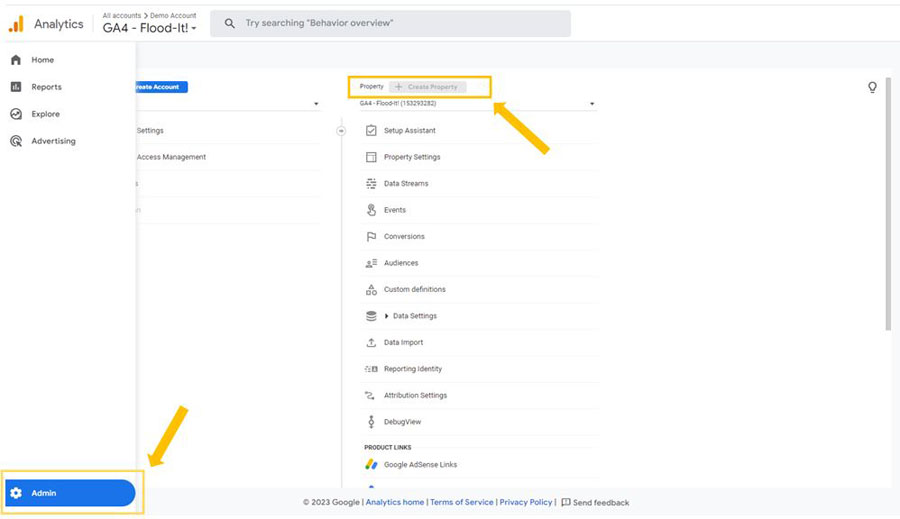
2. Set up Data Streams.
After creating the ‘Property’, you’ll need to set up ‘Data Streams’ for your website. A ‘Data Stream’ represents the source of the data you want to track, which is typically your website. To create a ‘Data Stream’, select your ‘Property’ and click on ‘Data Streams’ under the ‘Property’ settings.
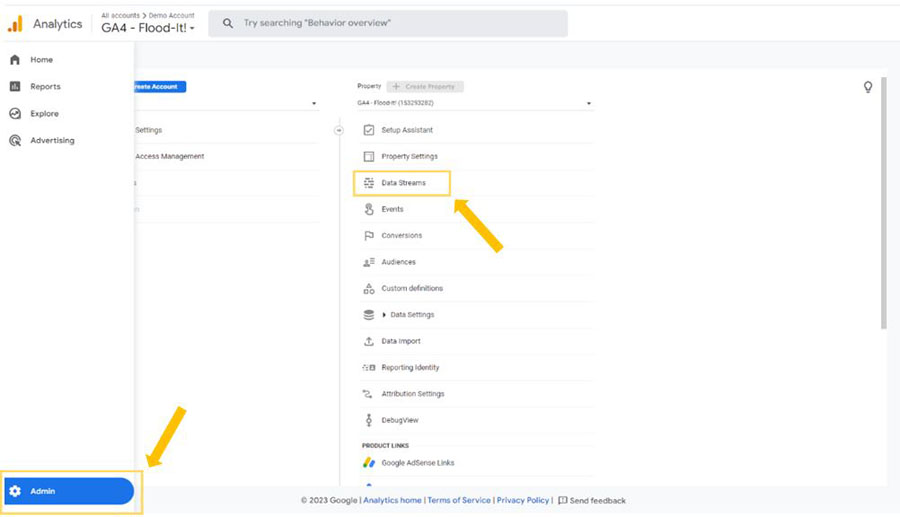
Choose ‘Web’ as the source type and follow the instructions to complete the setup. Once you have your GA4 Tracking Code, you can move on to the installation.
3. Install the GA4 Tracking Code.
There are a few ways to install GA4 on your website and some are easier than others.
The options are:
- Using a Google Analytics integration or plugin (this is most relevant for WordPress users). Shopify has a built-in solution that can be found on the Shopify website at Step 3.
- Using Google Tag Manager (GTM)
- Or the more laborious route, installing with the GA4 native tracking code.
Using a plugin or the Shopify built-in method is definitely the ‘easiest’ way to install your GA4 tag, but it should be noted that using the Google Tag Manager route is best for a number of reasons:
- Simplicity: Google Tag Manager helps simplify the implementation of other tools including GA4
- Convenience: It reduces your reliance on developers as you can easily add or remove tags without having to change the website code every time
- Customisation: You can create custom events in GTM with any custom parameter, that you can later add to GA4 to ensure that you are tracking all important events to your business.
For these reasons, and the fact that it is generally considered best practice, let’s dive into Option 2 – using Google Tag Manager.
Prerequisites.
Before you begin, make sure you have the following:
- A Google Tag Manager Account: If you don’t have a GTM account, create one at https://tagmanager.google.com
- GTM needs to be installed on your website. See Google’s support guide here
- A Google Analytics 4 Property: Set up a GA4 Property in your Google Analytics account (as above). You’ll need the Measurement ID associated with this Property, which is found in the ‘Admin > Data Streams > Web Data Stream’ that you created earlier.
Once you have created your GTM account and installed it on your website, you can get started with setting up your tags.
The first step is to create a container, which you’ll find detailed instructions on the process here. When you’ve created your first container, you’ll be directed to the overview window. On the left side bar go to ‘Tags > New’ and select ‘Google Tag’.
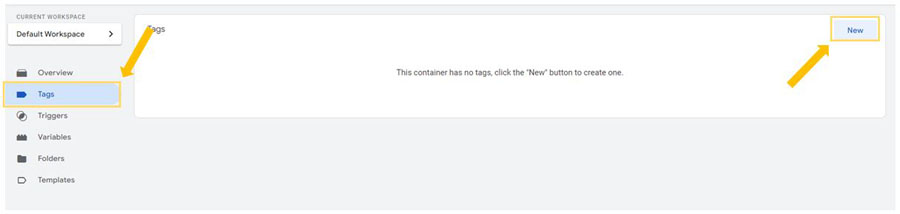
Then paste your Measurement ID (from your Property) in the box below:
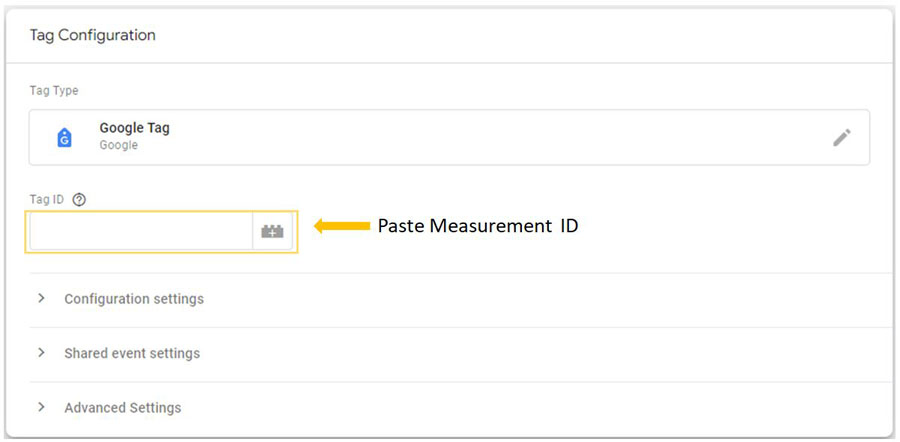
Underneath your ‘Tags’ box, you will see a ‘Triggering’ box. Click on it and select ‘Initializing – Pages’. Your Google Tag Configuration and Triggering should appear as follows:
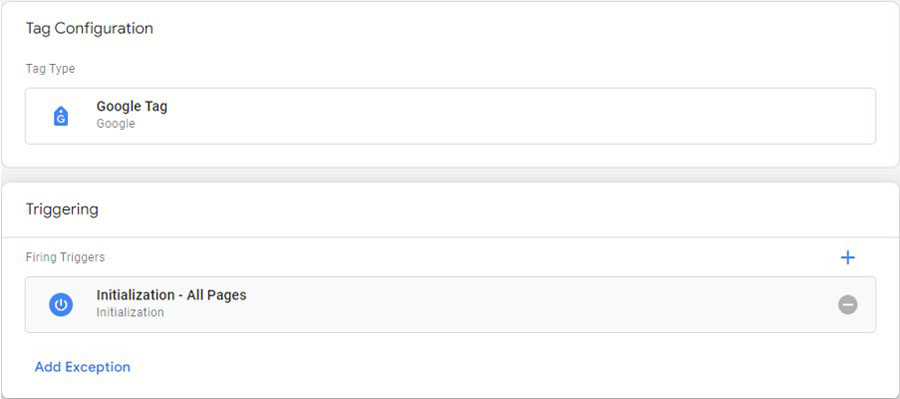
The only thing left to do is to confirm that your tags are firing correctly. You’ll find Google’s easy to follow step-by-step guide here for the GTM process.
Alternatively, if you want to use the GA4 DebugView, it can be found in ‘Admin > DebugView’. Google’s support article also shows you how to ensure your tags are firing.
Now that you’ve set up your GA4 and Google Tag Manager, you’re ready to start tracking your data and boosting your business’ online performance.
For more information on how to analyse your data to optimise your website and improve conversion rates, check out our article here.
The post How to set up Google Analytics for your website. appeared first on Yellow Pages.
]]>The post Marketing Jargon Buster: Traffic appeared first on Yellow Pages.
]]>Traffic refers to the number of visitors that land on your website.
Website traffic is monitored – these days, mostly via Google Analytics – to assess which parts of a website are popular, or not. This assists businesses in knowing what is working on their website, and what needs some tweaking.
RELATED: 8 signs you need to invest in a new website.
How is traffic measured?
To help you understand the behaviour of visitors to your website, and how successful your site is in terms of providing visitors with what they want or converting visits to sales, traffic is measured in the following ways:
- The total number of visitors
- Average page views per session
- Average session duration
- Average time spent on page
- Most popular visit times
- Most popular pages
- Most popular entry pages
- Most popular exit pages
- Bounce rate per page
- Top paths, which identifies the way most visitors go through the site.
How does measuring traffic help my business?
Understanding the way visitors interact with your website helps you identify what is or is not working on the site, such as:
- User Experience (UX) & User Interface (UI)
- The sales funnel
- Conversion points
- Broken links, etc.
RELATED: 6 best UX practices every business owner should use.
If you’re an eCommerce site, analysing both the source, segmentation and behaviour of your traffic can assist you in how and where you advertise your business online, so you are targeting high-value potential customers.
While seemingly one of the simplest marketing terms on the books, understanding website traffic is key to growing your business online.
The post Marketing Jargon Buster: Traffic appeared first on Yellow Pages.
]]>